
Abstract [PRESENTATION IS HERE]
Presentation at NAJVS conference, La Malbaie, 4 June 2026
Per Johan Moe: Jules Verne’s Scandinavia and «Le 9672»
# Norse Saga texts – links to Gulf of St. Lawrence
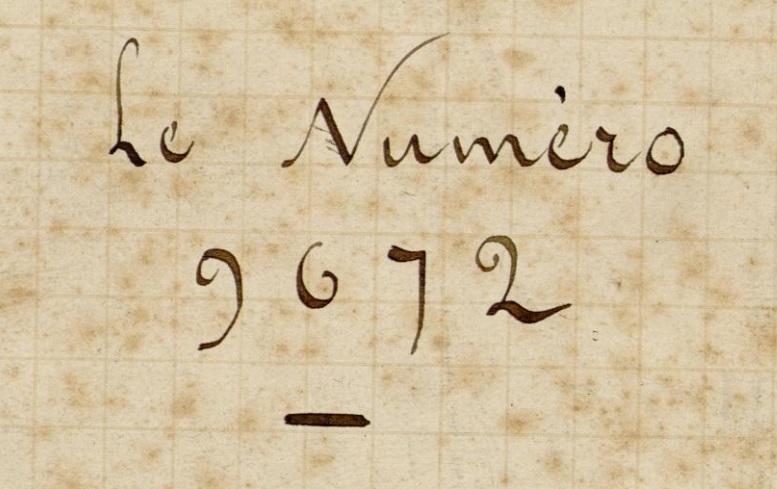
# Hetzel: «Pourquoi, diable! Verne, a-t-il choisi ce numéro difficile à retenir» ( nov, 1885).
Proposed Hypothesis, as to this «WHY»
 |
 |
 |
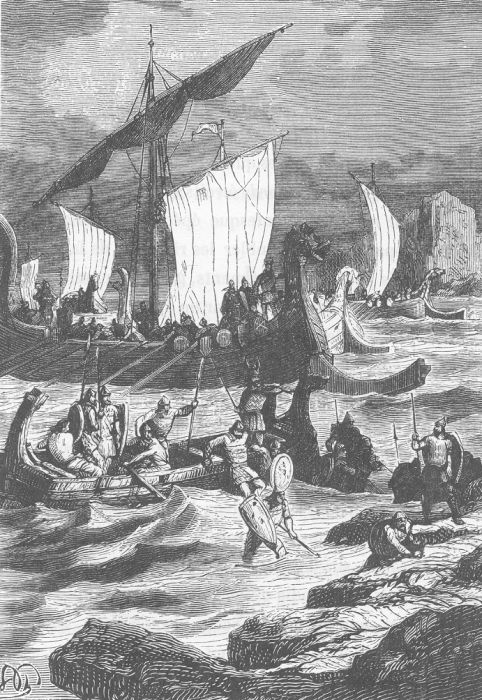
In several texts, Verne referred to the ancient ‘Sagas’, and described the Scandiavian countries, including their Norse, western realm, which for 500 years extended from Norway to the Faroes, Iceland and Greenland, in the medieval period. Verne’s knowledge about the ancient Norse Sagas, evident in several texts, include Heimskringla (Kings), The Edda (Mythology) and also Greenlanders’ Saga, about Viking-expeditions to Labrador and Newfounland – just outside Gulf of St. Lawrence.
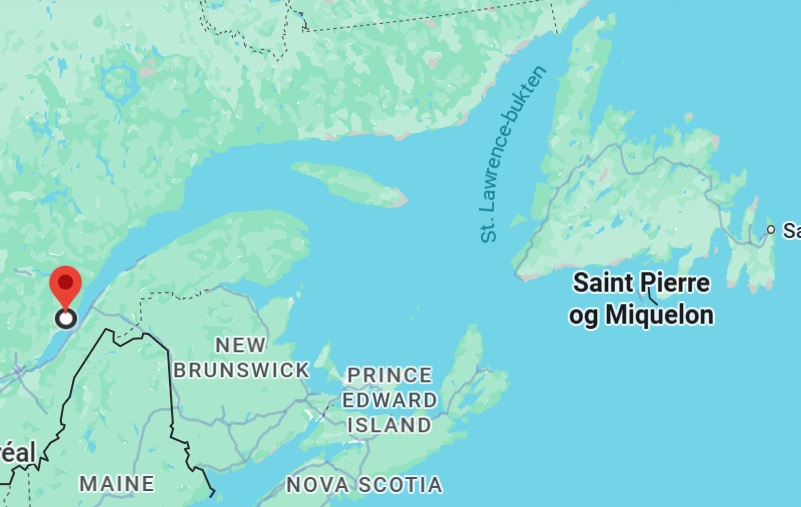
In the novel Verne insisted on calling Le 9672 (published as «Lottery Ticket»), – the author emphasise the Viking ancestry of Ole, a Norwegian fisherman based at French archipelago: «Saint Pierre & Miquelon» – also in Gulf of St. Lawrence.
On the surface a romantic story, the novel’s subtext indicate conflict and polarization during the Union years under Swedish king. Therefore Le 9672, published in the mid 1880ies, fits in among other novels with an ongoing liberation process that decade.
Focusing on Verne’s own manuscripts and diary – this presentation aims to discuss why Verne was so persistent about these enigmatic numbers: «9-6-7-2» – and propose a hypothesis that might explain why he decided to start writing, some 25 years after his journey to Scandinavia.
Verne’s subtext in Le 9672, highlights the end of Swedish kings’ reign in Norway – shortly after ‘Parliamentary system of government’ was introduced.

